
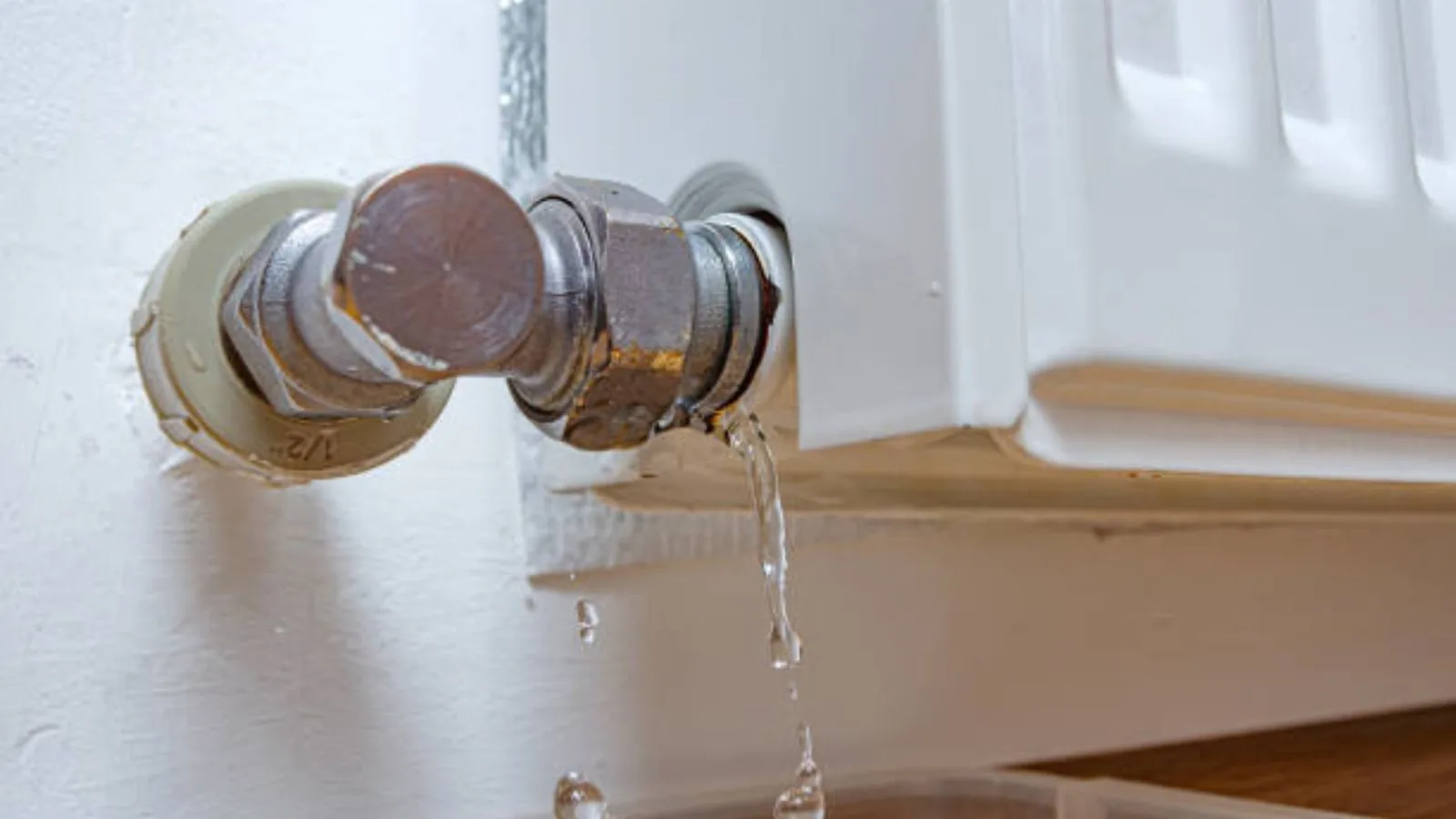
A leaking water heater in Syosset can put dozens of gallons on a floor quickly, and a tank that fails fully can release its entire contents. Our 24/7 line is open. Shut off the cold water supply to the heater, turn off the power or gas to it only if you can do so safely, and stay out of water near outlets.
Water heater leak cleanup covers the water that reached the floor, the walls and anything stored nearby. We remove the water and dry the area. A licensed plumber or heater technician repairs or replaces the unit.
Water heater leak emergency: what to do first
- Cold water offClose the cold water supply valve on the pipe feeding the tank. This stops new water from entering.
- Power or fuel offSwitch off the heater's breaker or the gas supply only if the area is dry and safe. If in doubt, call the utility.
- Call and photographCall the 24/7 line, then photograph the heater, the label and the water line on the walls.
Do not touch an electric heater while standing in water. If the heater is oil or gas fired, and you smell fuel or see damage near the burner, leave the area and call the fuel supplier or 911.
Why heaters leak, and where the water goes
Tanks corrode from the inside over years, joints and valves weep, and a failed temperature and pressure relief valve can discharge water through its pipe. A slow drip at a fitting becomes a larger leak when the tank wall finally lets go. The water spreads across the nearest slab or subfloor and wicks into the base of walls, stored boxes and furnace areas.
Tank heaters sit in basements, utility closets and garages. In houses with finished basements, a leak can run under a wall into a carpeted room, and in a utility closet on an upper floor it can come through the ceiling below. Cleanup depends entirely on where the unit sits.
Cleanup: what we remove and what we dry
- Water extraction from the slab, subfloor or carpet in the room.
- Removal of wet drywall base, baseboard or insulation near the heater.
- Drying with air movers and dehumidifiers, with moisture readings after each visit.
- Contents handling for boxes and stored items that were in the water, so they can be dried or discarded.
The water from a tank is typically clean when it first leaves the heater, which is Category 1. Sediment, rust and old floor drains can make it dirtier, and water that stands for a day or more is treated more cautiously.
Replacement is not part of cleanup
A leaking tank usually needs to be replaced, and that is done by a licensed plumber or heater technician. We do not repair or install heaters. We can coordinate timing so drying equipment and the plumber's work do not collide.
Heater leaking or tank failed? Call the 24/7 line and describe where the unit sits.
Costs, factors and the insurance question
- Volume releasedA slow drip wets a corner, while a failed tank can wet a whole room.
- Location of the unitBasement, garage, closet or upper floor each lead to different drying work.
- Finishes nearbyCarpet, wood trim and drywall react differently, and bare slab is the simplest.
- Stored itemsBoxes and furniture near the heater often take the most water.
Insurers often distinguish sudden water release from gradual leakage, and wear on the heater itself is usually the owner's cost. The resulting water damage may be handled differently from the unit. Document the label, the age of the unit if known and the damage, and ask your insurer how your policy treats it.
If the leak ran toward a finished lower level, see basement water damage cleanup. For the equipment side, structural drying and dehumidification explains how readings are used.
What to do before the crew arrives
Whatever the cause, a few safe steps taken while you wait help the crew and your insurer. These apply to water heater leak cleanup as much as to any other water loss.
- Stop the source if you can reach it safely, usually by closing the main water valve.
- Stay out of standing water near outlets, appliances or the electrical panel, and call 911 or the utility if you see sparks or smell gas.
- Keep children and pets out of water that may be dirty, and do not run household vacuums or fans through it.
- Take photos and video of the damage and the source before anything is moved.
- Do not throw out wet materials until your insurer or the crew has seen them.
Professional drying and cleanup of this kind follow the ANSI/IICRC S500 standard for water damage restoration, which is why the crew records moisture readings and sets drying goals instead of guessing. If mold is found, work follows the S520 standard and New York's licensing rules.
Questions people ask about this service
Do you handle water heater leak emergencies at night or on weekends in Syosset?
Yes. The line is answered 24/7. Close the cold supply to the tank, then call so the crew plan can start.
Can I keep using the water heater if it is leaking?
No. Shut it down and have it checked. A leaking tank can fail completely, and a leak near electrical or fuel components is a safety issue.
Does cleanup include replacing the heater?
No. Replacement is a plumbing task. The cleanup crew handles the water, wet materials and drying.
Is water from a water heater safe to touch?
It starts as clean water but can be hot and can pick up rust and sediment. Avoid contact with hot water and avoid it altogether if it is near electrical equipment.
How do I tell if a damp spot near the heater is the heater or the pipe?
Check the tank base, the relief valve pipe and the supply fittings. If it is hard to tell, shut off the cold supply to the tank and see whether the leak stops, and then call so the source can be found.
Water still moving? The line is open 24/7.
Call (833) 521-1033