
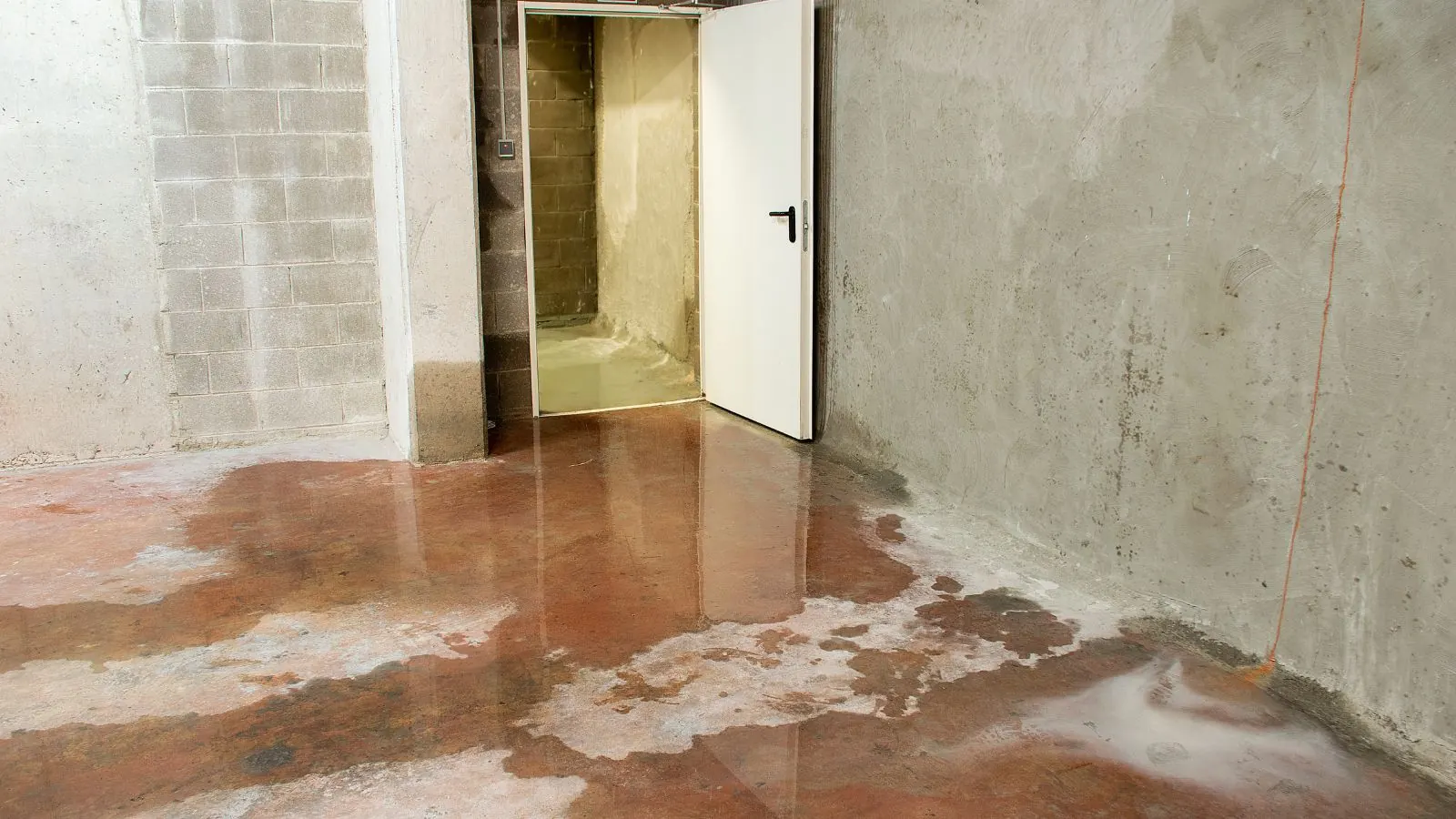
If water is standing on your floor in Syosset right now, treat it as an emergency. Our 24/7 line is open, and the next few minutes matter more than the next few hours. While you wait, stop the source if you can reach the shutoff, keep everyone out of any room where water touches outlets or the panel, and lift small items, rugs and cushions off the wet surface.
Water extraction is the first physical step of water damage restoration: pulling bulk water out of floors, carpet, pads and low wall cavities before it soaks deeper. Fast removal limits how much drying the building has to do afterward, and it is the step that most affects whether flooring and drywall can be saved.
When standing water is an emergency
Water that is more than a puddle changes the job. A quarter inch across a finished floor already means pads and subfloor are wet underneath, even where the surface looks fine. Water that came from a toilet, a drain or the outdoors is a different class of problem, and it should not be handled with household tools.
Call the line first if any of the following is true: the water is deeper than the baseboard, it is still running, it smells like sewage, or it reached a ceiling light, outlet or the electrical panel. If there is any electrical or gas risk, call the utility or 911 before you call us, and stay out of the room.
Why Syosset basements and ground floors take on water
Syosset sits about 217 feet above sea level, so tidal surge is not the usual route in. The routes that do show up are heavy rain pushing past drains and window wells, failed sump pumps, a supply line that let go while the family was out, and water heaters on finished basement floors. Most homes here are detached houses, and wherever a lower level is finished, carpet over pad over slab is a common thing to extract from.
Jericho Water District supplies nearly all of Syosset, so a burst line is a pressurized supply problem. It keeps running until someone closes a valve, and a running line fills a basement faster than most people expect.
How extraction is done
A technician first confirms the water category and checks where the water has traveled using moisture meters and, where useful, a thermal camera. Then bulk water comes out with the right tool for the surface: a weighted wand over hard floors, a submersible pump for deeper standing water, and a truck-mounted or portable extractor for carpet and pad.
Carpet that was wet by clean supply water can often be lifted, extracted and dried in place. Pad usually cannot, because it holds water like a sponge and dries slowly, so it is commonly removed and replaced. Extraction ends when the surface stops giving up water, and drying equipment takes over from there.
| Situation | Extraction method | What follows |
|---|---|---|
| Clean supply water over hard flooring | Wand or squeegee extractor, then surface moisture check | Drying mats or air movers if the subfloor reads wet |
| Standing water over 1 inch deep | Submersible pump, then extractor | Removal of wet pad and base materials, then structural drying |
| Soaked carpet over pad | Extractor pass, pad lifted and removed | Carpet dried in place if the water was clean, otherwise replaced |
| Water that touched a drain or the outdoors | Contaminated-water protocol with protective gear | Removal of porous materials and sanitizing, see sewage backup cleanup |
Water on the floor and you are not sure what is wet underneath? Describe it to the dispatcher and ask what to do while the crew is on the way.
What happens after the water is out
Extraction removes the water you can see. The moisture that remains in framing, drywall and subfloor is removed by structural drying and dehumidification, which is measured daily until the materials return to a dry standard. Skipping that step is how a floor that looks dry grows mold a week later.
If the loss started with a failed supply line, the burst pipe cleanup page covers what the plumbing side looks like, and a flooded lower level is covered under basement water damage cleanup.
Cost factors for water extraction
- Water categoryClean, gray or contaminated water changes the protective gear, the disposal and what has to be removed.
- Depth and areaMore square footage and deeper water mean more pump time and more passes with the extractor.
- Materials affectedCarpet and pad, laminate, hardwood and drywall each respond differently to the same water.
- Access and layoutA finished basement with a narrow stair takes longer to clear than an open ground floor.
Insurance policies treat sudden water from a failed pipe or appliance differently from seepage or flood, so coverage depends on the cause and your policy language. Photos taken before anything is moved, plus the moisture readings from the crew, give your insurer a clear record. Ask your insurer what your policy covers.
Want your real number for a Syosset address? Call and describe the water, the rooms and what it came from. The scope and price are explained before work starts.
What to do before the crew arrives
Whatever the cause, a few safe steps taken while you wait help the crew and your insurer. These apply to water extraction and emergency water removal as much as to any other water loss.
- Stop the source if you can reach it safely, usually by closing the main water valve.
- Stay out of standing water near outlets, appliances or the electrical panel, and call 911 or the utility if you see sparks or smell gas.
- Keep children and pets out of water that may be dirty, and do not run household vacuums or fans through it.
- Take photos and video of the damage and the source before anything is moved.
- Do not throw out wet materials until your insurer or the crew has seen them.
Professional drying and cleanup of this kind follow the ANSI/IICRC S500 standard for water damage restoration, which is why the crew records moisture readings and sets drying goals instead of guessing. If mold is found, work follows the S520 standard and New York's licensing rules.
Questions people ask about this service
Do you handle water extraction emergencies at night or on weekends in Syosset?
Yes. The line is answered 24/7, including nights, weekends and holidays. Tell the dispatcher what is wet, where the water came from and whether it is still running, and follow the safety steps while the crew is arranged.
Can I use a shop vacuum to remove standing water myself?
For a small clean spill, yes, if the outlet and cord are dry and you are not standing in water. For anything deeper than a thin film, or any water from a drain or the outdoors, it is not a safe or effective approach, and the pad and subfloor stay wet either way.
How soon does water extraction need to start?
As soon as it can. Wet drywall, pad and wood begin to absorb and wick water immediately, and the longer they stay wet the more has to be removed instead of dried. Start with the shutoff, then call.
Is extraction the same as drying?
No. Extraction pulls out bulk water. Drying removes the moisture left in materials using air movers and dehumidifiers over several days, with readings taken each visit.
What should I photograph before the crew arrives?
Photograph the water line on walls, the affected rooms, any damaged belongings and the source if it is visible. Do this only when it is safe, and do not delay shutting off the water to take pictures.
Water still moving? The line is open 24/7.
Call (833) 521-1033