
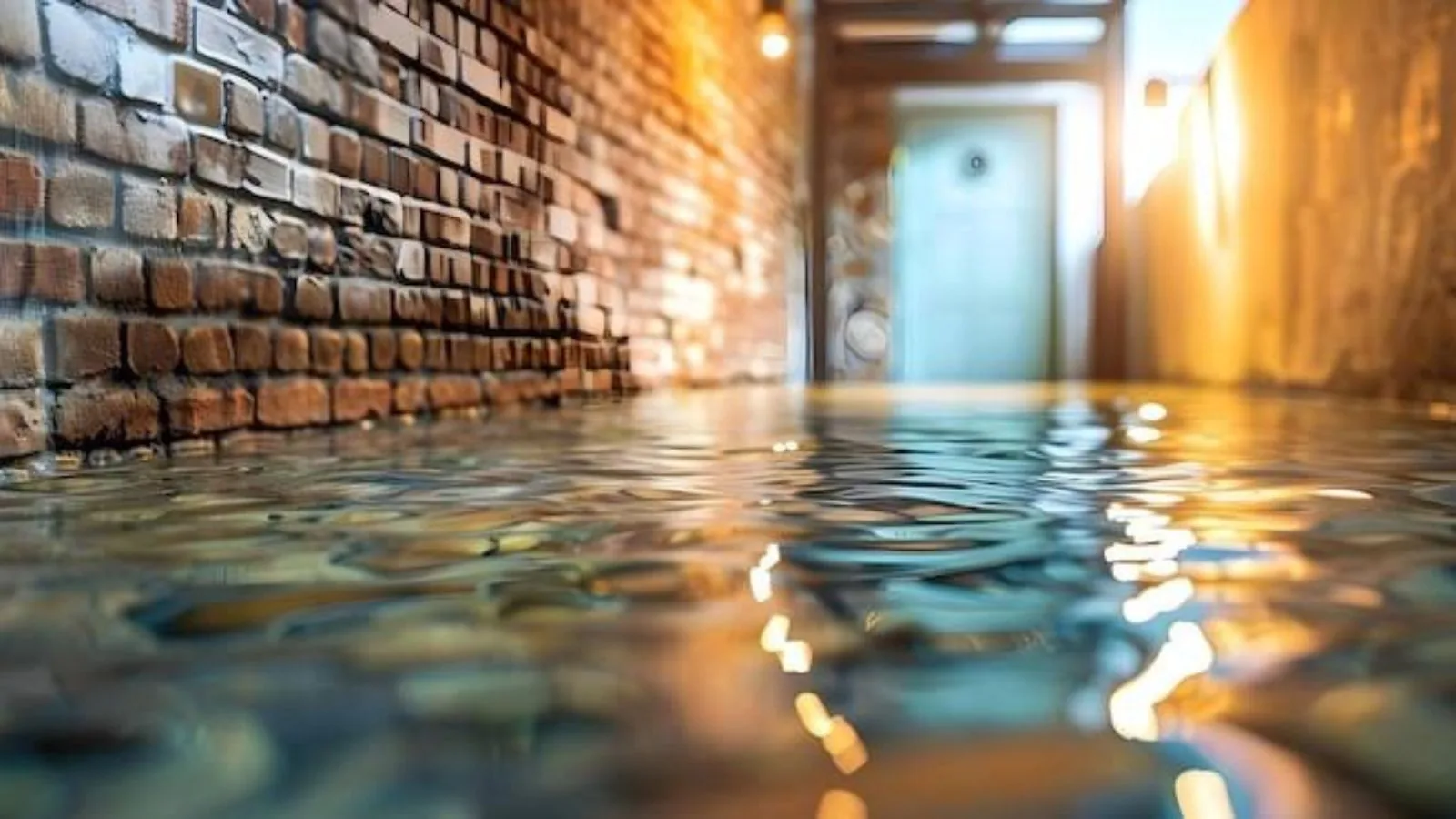
Flood water in a Syosset home is an emergency, and it is rarely clean. Our 24/7 line is open at any hour. Stay out of standing water if the panel, outlets or appliances are anywhere near it, keep children and pets out, and call before you start moving things, because the water category decides what can be saved.
Flood damage restoration covers water that came from outside or from drains and sewers rather than from a single clean supply line. It means removing the water, taking out porous materials the water contaminated, sanitizing what stays and drying the structure to a measured standard.
When flood water is an emergency
Flood water picks up soil, bacteria and chemicals as it moves. That puts it in the gray or black water categories under the ANSI/IICRC S500 standard, and it changes the work. Porous materials such as carpet, pad, insulation and lower drywall that touched it are generally removed instead of dried, because they cannot be made safe again.
Do not wade in water that might be electrified, and do not run a household vacuum or box fan through it. Turn off power at the panel only if you can reach it dry and safely. If there is any electrical or gas concern, call the utility or 911 first.
How flooding reaches Syosset buildings
Syosset is a hamlet in the Town of Oyster Bay at roughly 217 feet of elevation. Tidal surge from Long Island Sound is not the usual route here. Local flood water more often comes from heavy rain overwhelming street drains, window wells and basement stairwells, a sump pump that fails or loses power in a storm, or a backed-up lateral line.
Whether a particular address sits in a mapped flood hazard area is something you can check on the FEMA flood map for your own street. We do not assume any property is or is not in a flood zone, and a mapped zone does not by itself tell you whether water will reach your home.
What flood restoration involves
- Assess the water category and the path, and protect the crew and occupants with the right gear.
- Pump and extract water, then remove carpet, pad, wet insulation and the lower section of wall board that the water reached.
- Clean and sanitize hard surfaces and framing, using antimicrobial treatment suited to the contamination.
- Dry the structure with air movers and LGR dehumidifiers, reading moisture daily until the materials are dry.
- Document the loss so the scope of removal and rebuilding is clear.
A flood cut is the standard term for removing drywall a set height above the water line, commonly about two feet, so the cavity behind it can be cleaned and dried. The exact cut depends on how high the water wicked, and the meter decides.
| Category | Source examples | Porous materials |
|---|---|---|
| Category 1 | Broken supply line, clean rain through a roof | Often dried in place if treated quickly |
| Category 2 | Washing machine or dishwasher discharge, some groundwater | Carpet and pad usually removed, hard materials cleaned |
| Category 3 | Sewage, river or storm flood water, long-standing water | Porous materials removed and discarded, structure sanitized |
Not sure which category your water is? Call and describe where it came from. The dispatcher will tell you what to avoid touching.
Cost factors and insurance for flood loss
- Water categoryCategory 3 means more removal, more sanitizing and more disposal.
- How high it roseWater that reached two feet up the wall means a larger flood cut and more rebuilding.
- Time standingWater that stood for more than a day or two causes more contamination and more material loss.
- ContentsFurniture, stored boxes and electronics in the water zone add handling and decisions.
Flood coverage is a point where policies differ sharply. Many standard homeowner policies exclude flood from rising surface water, while separate flood insurance or a specific endorsement may apply, and sewer backup often needs its own coverage. Read your policy and ask your insurer which category your loss falls under before you assume anything.
For what happens after the water is gone, see structural drying and dehumidification. A flood that came up through a drain is covered in sewage backup cleanup, and below-grade loss in basement water damage cleanup.
What to do before the crew arrives
Whatever the cause, a few safe steps taken while you wait help the crew and your insurer. These apply to flood damage restoration and cleanup as much as to any other water loss.
- Stop the source if you can reach it safely, usually by closing the main water valve.
- Stay out of standing water near outlets, appliances or the electrical panel, and call 911 or the utility if you see sparks or smell gas.
- Keep children and pets out of water that may be dirty, and do not run household vacuums or fans through it.
- Take photos and video of the damage and the source before anything is moved.
- Do not throw out wet materials until your insurer or the crew has seen them.
Professional drying and cleanup of this kind follow the ANSI/IICRC S500 standard for water damage restoration, which is why the crew records moisture readings and sets drying goals instead of guessing. If mold is found, work follows the S520 standard and New York's licensing rules.
Questions people ask about this service
Do you handle flood emergencies at night or on weekends in Syosset?
Yes. The line is open 24/7. Storms rarely respect business hours, so call when the water is rising or standing, and follow the safety steps while the crew is arranged.
Can flood damaged carpet be saved?
Usually not. Carpet and pad that sat in flood or contaminated water are generally removed. Carpet that was wet by clean water and extracted quickly has a better chance.
How can I check if my street is in a flood zone?
Use the FEMA flood map service for your address, and ask the Town of Oyster Bay or your insurer if you need help reading it. A map result describes a general area, not whether your specific basement will take on water.
Is it safe to stay in the house after a flood?
That depends on the water, the electrical system and the structure. If water reached outlets or the panel, or if sewage was involved, leave the affected area and get it checked. Children, older adults and anyone with breathing problems should stay out of wet, contaminated spaces.
How long does flood cleanup take?
Extraction and removal usually take place in the first day or two. Drying commonly runs several days beyond that, and rebuilding is a separate stage. The readings, not a calendar, decide when drying is finished.
Water still moving? The line is open 24/7.
Call (833) 521-1033