
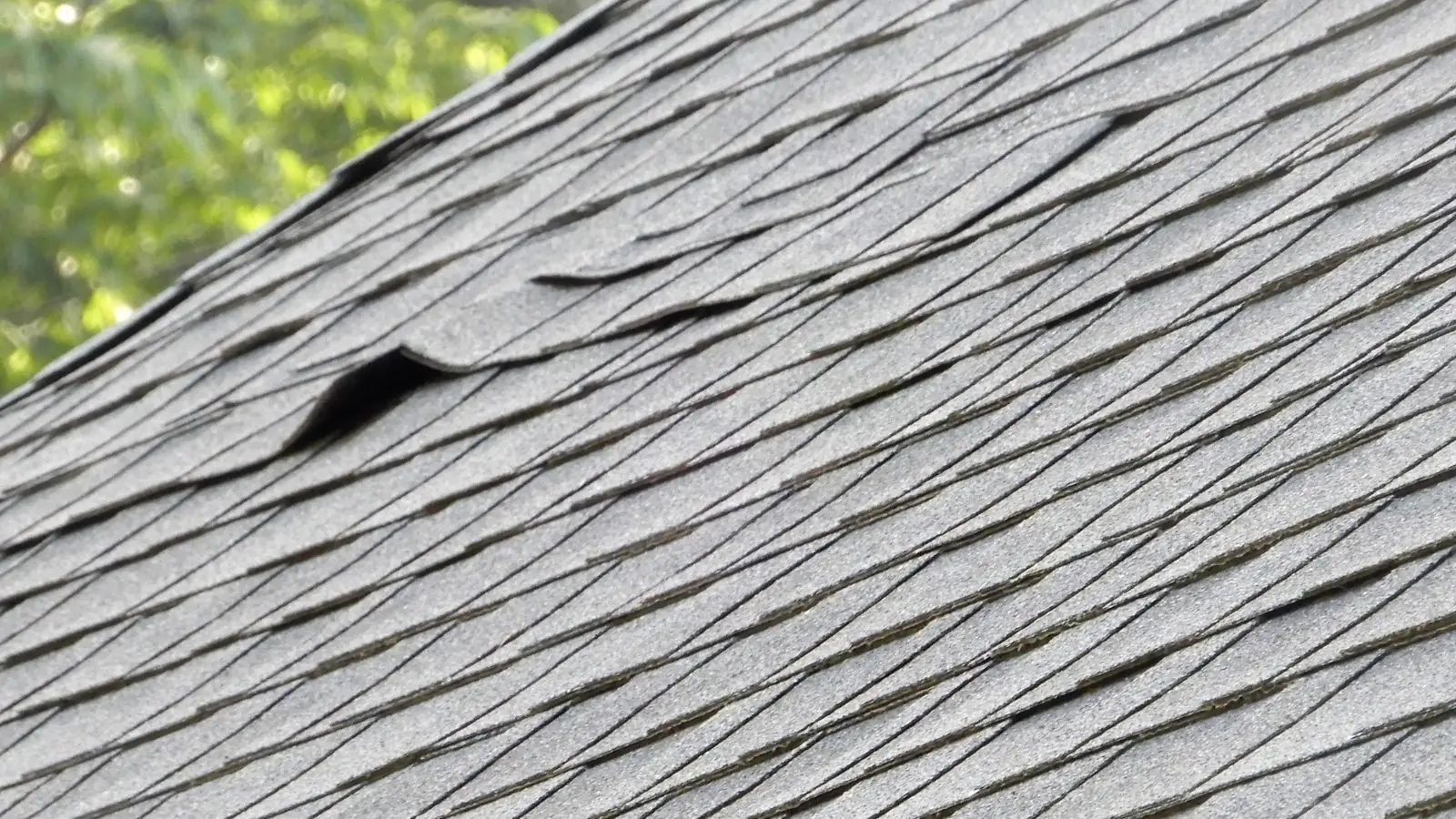
When a storm pushes water into a Syosset home, treat it as an emergency, because rain water that entered through a roof, window or foundation keeps soaking in until it is removed. Our 24/7 line is open during and after storms. Stay out of rooms with active dripping near light fixtures, move valuables, and call once it is safe to do so.
Storm water damage cleanup removes the rain and runoff that entered the building, dries the structure and documents the loss. Repairs to the roof, siding or windows are done by the relevant trade.
Storm water in the house: safety first
Before you start
Do not go out into a storm to assess damage. Stay out of rooms with a sagging ceiling or with water reaching outlets, and avoid downed power lines. If there is a risk of electrical shock or a gas smell, call the utility or 911. Once the weather has passed and the area is safe, call us.
Take photographs of the entry points and the wet areas when it is safe to. Place buckets or tarps to catch drips, but do not climb onto a wet roof.
How storms get water into Syosset buildings
Long Island storms include nor'easters and tropical systems that arrive with heavy rain and strong wind. Wind-driven rain can enter around windows, doors, chimneys and roof flashing, and sustained rain can overload gutters, drains and window wells. A tree limb or shingle loss can open a roof.
Syosset's elevation of about 217 feet means coastal surge is not the issue it is in shoreline towns. The water problem here is rain finding a way in, and a basement or ground floor where drainage fails. The result is usually a mix of roof leak water, wall intrusion and basement water.
What the cleanup includes
- Extract standing and pooled water from floors and low areas.
- Dry wet ceilings, walls and flooring with air movers and dehumidifiers, with readings each visit.
- Remove materials that cannot be saved, such as wet insulation and soaked pad.
- Treat storm water that is dirty, such as runoff, as contaminated and handle it accordingly.
- Document the loss with photographs and moisture readings.
Rain through a roof is usually clean when it first comes in, but water that has run through attic insulation or across a dirty surface is not. Runoff from the ground is contaminated, and the crew treats it that way.
| Entry point | What gets wet | Handled by |
|---|---|---|
| Roof or flashing | Attic insulation, ceilings, walls | Roofer fixes entry, we dry |
| Window or door | Walls, flooring near the opening | Window or door contractor fixes entry, we dry |
| Foundation or window well | Basement walls, flooring | We dry, a contractor fixes drainage |
| Backed-up drain or lateral | Basement floor, finished spaces | Plumber clears, we clean, see sewage backup cleanup |
Storm water inside the house? Call the 24/7 line when it is safe, and tell the dispatcher where it came in.
Cost factors and the insurance picture
- Entry pointRoof, window or foundation water spreads differently.
- Water qualityRain through the roof and runoff from outside are handled differently.
- Area wetA single room versus several affects equipment and days.
- Repairs neededA temporary roof cover or board-up may be needed before drying.
Wind and rain damage is covered differently from flood, and many policies treat them separately. Water that enters through a storm-created opening is often considered differently from rising surface water. Read your policy and ask your insurer, since many Long Island policies have storm-specific terms.
See also flood damage restoration for rising or surface water, and ceiling water damage repair when the storm water came through the roof.
What to do before the crew arrives
Whatever the cause, a few safe steps taken while you wait help the crew and your insurer. These apply to storm water damage cleanup as much as to any other water loss.
- Stop the source if you can reach it safely, usually by closing the main water valve.
- Stay out of standing water near outlets, appliances or the electrical panel, and call 911 or the utility if you see sparks or smell gas.
- Keep children and pets out of water that may be dirty, and do not run household vacuums or fans through it.
- Take photos and video of the damage and the source before anything is moved.
- Do not throw out wet materials until your insurer or the crew has seen them.
Professional drying and cleanup of this kind follow the ANSI/IICRC S500 standard for water damage restoration, which is why the crew records moisture readings and sets drying goals instead of guessing. If mold is found, work follows the S520 standard and New York's licensing rules.
Questions people ask about this service
Do you handle storm water emergencies at night or on weekends in Syosset?
Yes. The line is open 24/7. Call as soon as it is safe, and tell the dispatcher where the water came in and what is wet.
Should I wait for the storm to end before calling?
Call once it is safe to do so. You can place buckets and move valuables in the meantime, but do not go out into a storm or onto a wet roof.
Is rain water that comes through the roof clean?
At first it often is, but it picks up dirt and contaminants from insulation and building materials, and it may need to be treated as contaminated if it sat.
Do you fix the roof?
No. A roofer repairs the roof, and a temporary cover may be needed before drying. We handle water removal and drying.
What should I photograph for my insurer?
The entry point, the wet ceilings and walls, damaged belongings and the storm damage outside if it is safe. Take pictures before moving things when you can.
Water still moving? The line is open 24/7.
Call (833) 521-1033