
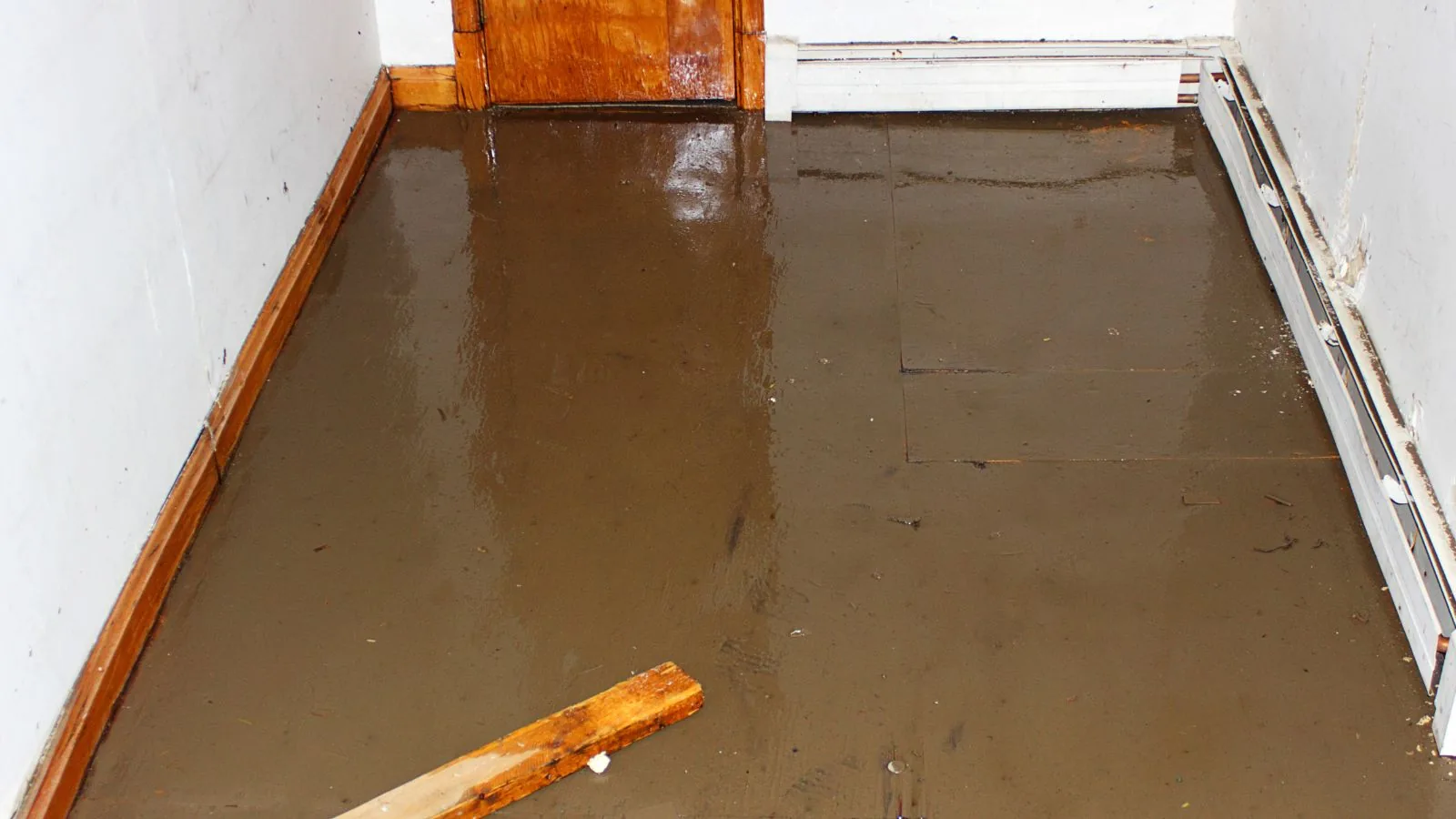
Water in a Syosset basement is an emergency, whether it came up through the floor, in through a window well or down from a failed pipe. Our 24/7 line is open. Stay off wet stairs near the electrical panel, keep power off to the wet area if the panel is safe to reach dry, and move belongings up and out of the water.
Basement water damage cleanup removes the water, protects what can be saved and dries the walls, slab and framing. For a finished basement, that includes carpet, drywall and anything stored on the floor.
Basement water emergency: what to do first
- Electrical safetyIf water is near the panel, outlets or a water heater, do not step in it. Call the utility or 911 about any electrical risk.
- Stop what you canClose the main water valve if the water is from a pipe. For rain, do not open doors that could let more in.
- Move and photographLift valuables up and out, then photograph the water line and damage before cleanup starts.
If the water is dark, smells of sewage or came from a backed-up drain, treat it as contaminated and stay out. See sewage backup cleanup for that situation.
How water reaches Syosset basements
Syosset's elevation, about 217 feet, keeps tidal surge out of the picture. Basement water here more often comes from heavy rain that overwhelms drainage, a sump pump that fails or loses power in a storm, cracks or gaps where walls meet the slab, or a plumbing failure. Window wells and walkout stairs fill during intense rain.
Water pressure in the soil pushes water through gaps in a foundation, a process known as hydrostatic pressure. It is the reason a basement can be dry for years and then flood in a wet season.
What the cleanup involves
The crew finds the source, extracts the water and checks how far it spread. Finished basements usually need carpet and pad removed, along with the lower section of drywall and insulation. Concrete slabs are cleaned and dried, and furniture and stored boxes are moved to a dry area.
Basements are cool and enclosed, which slows drying. Dehumidifiers are the key tool, running until readings on walls, framing and slab are normal. The ANSI/IICRC S500 standard guides the monitoring, but timing depends on conditions.
| What you find | Likely cause | Cleanup focus |
|---|---|---|
| Standing water after heavy rain | Drainage or sump failure | Pump out, dry slab and walls, contractor reviews drainage |
| Water from a pipe or heater | Plumbing or appliance failure | Extract, dry, plumber repairs the source |
| Damp walls with white residue | Seepage through concrete | Dry the wall, address moisture source |
| Dark, smelly water from a drain | Sewer backup | Contaminated-water protocol |
Basement taking on water now? Call the 24/7 line and describe how deep it is.
Cost factors and insurance notes
- Water depth and sourceClean pipe water and groundwater or sewage are very different jobs.
- Finished or unfinishedFinished space means more material to remove or dry.
- ContentsStored items near the floor are often the largest loss.
- DurationWater that stays for days spreads into walls and framing.
Coverage for basement water varies. Sudden pipe water is addressed differently from groundwater seepage, flood or sewer backup, and some of those need separate endorsements or flood insurance. Read your policy, document everything and ask your insurer what applies.
For the broader picture, see flood damage restoration and structural drying and dehumidification.
What to do before the crew arrives
Whatever the cause, a few safe steps taken while you wait help the crew and your insurer. These apply to basement water damage cleanup as much as to any other water loss.
- Stop the source if you can reach it safely, usually by closing the main water valve.
- Stay out of standing water near outlets, appliances or the electrical panel, and call 911 or the utility if you see sparks or smell gas.
- Keep children and pets out of water that may be dirty, and do not run household vacuums or fans through it.
- Take photos and video of the damage and the source before anything is moved.
- Do not throw out wet materials until your insurer or the crew has seen them.
Professional drying and cleanup of this kind follow the ANSI/IICRC S500 standard for water damage restoration, which is why the crew records moisture readings and sets drying goals instead of guessing. If mold is found, work follows the S520 standard and New York's licensing rules.
Questions people ask about this service
Do you handle basement flooding emergencies at night or on weekends in Syosset?
Yes. The line is answered 24/7. Basements flood during storms and overnight, and the sooner water is removed, the less has to be replaced.
Should I turn off the power in a flooded basement?
Only if you can reach the panel without standing in water. If the panel is wet or the area is flooded near it, call the utility or 911 rather than approaching.
How long can a finished basement stay wet before it grows mold?
Mold can begin to grow within a few days in damp conditions. Quick removal of wet materials and drying lower the risk.
Why does my basement leak only after heavy rain?
Water pressure in the soil, a failing sump or a gap in the wall or window well can let water in. A contractor can find the cause, and we dry the space.
Is water damage restoration the same as basement waterproofing?
No. Restoration removes water and dries what it soaked. Waterproofing changes the foundation, drainage or sump system so water stays out, and it is a different trade. A contractor can review the cause while we dry the space.
Can I save my stored boxes and furniture?
Items that were wet with clean water can sometimes be dried, though cardboard and soft goods often cannot. Move them out of the water quickly, and ask the crew what can be saved.
Water still moving? The line is open 24/7.
Call (833) 521-1033