
It is general information. Your insurer and your policy decide what is covered and how a claim must be filed.
The steps below work whether you file a claim or decide against it, because good records help either way.
Step 1: Stop the water and stay safe
Close the main water valve or the appliance shutoff. Stay out of water near outlets or the panel, and call the utility or 911 for any electrical or gas risk. Insurers expect reasonable steps to protect the property, and stopping the source is the first of them.
Step 2: Photograph and video before anything moves
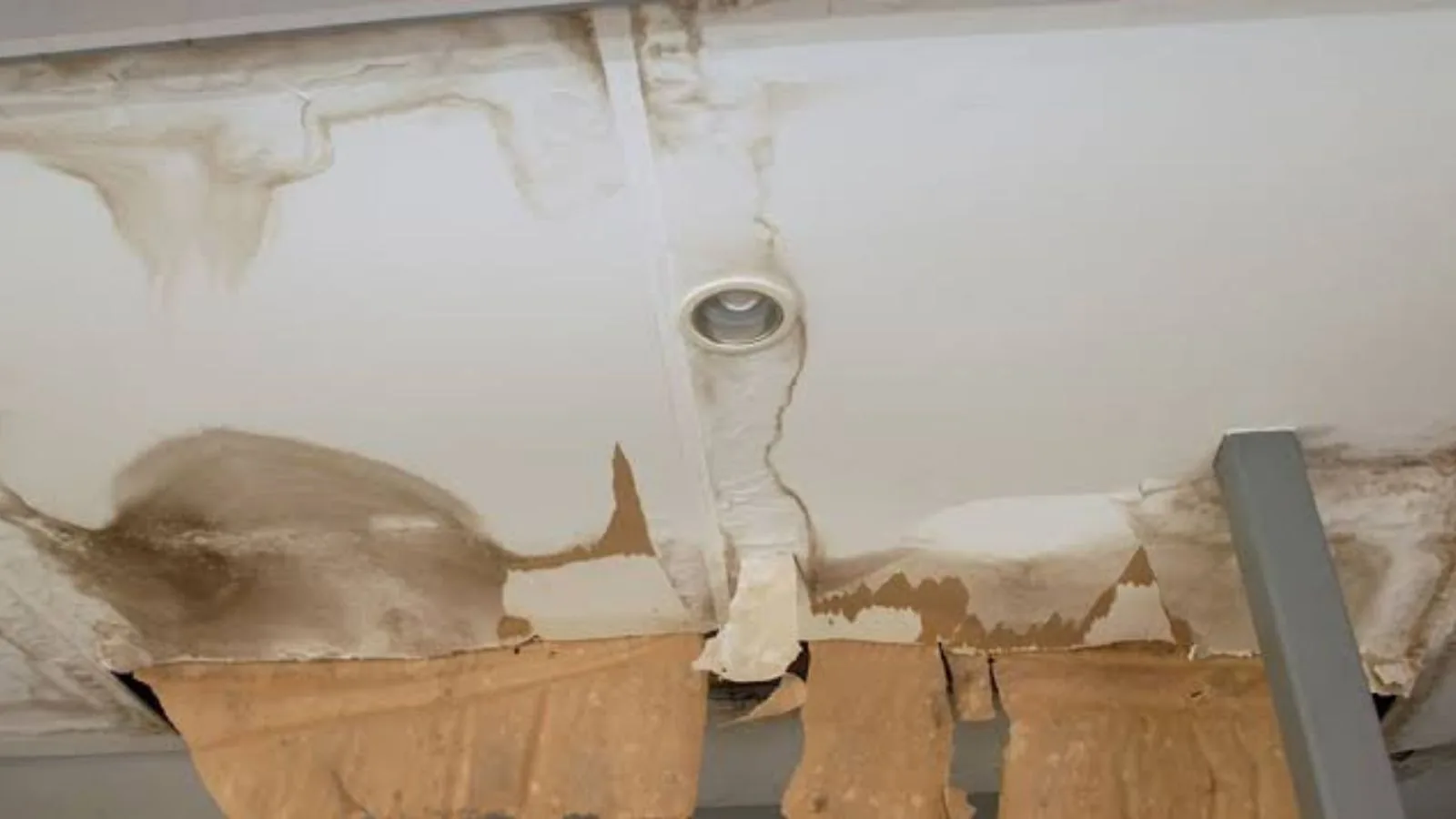
- Take wide shots of each affected room, then close-ups of the damage and the source.
- Photograph the water line on walls and any standing water.
- Film a walk-through while describing what you see.
- Photograph damaged belongings, including labels and serial numbers where possible.
Do this only when it is safe, and do not delay shutting off the water to take pictures.
Step 3: Call your insurer and ask the right questions
Report the loss as soon as you can and ask how to file, what the deadline is and whether a mitigation company can begin work before an adjuster visits. Write down the claim number, the date and the name of the person you spoke with.
Do not throw away damaged materials until the adjuster has seen them or you have been told it is fine, and keep samples or photographs of anything that must be discarded for safety.
Step 4: Mitigate and keep the records
Mitigation means removing the water and drying the structure. The restoration crew keeps moisture readings, equipment logs and a written scope of work. Those records show what was wet, what was removed and how drying was monitored, which is the core of the documentation an adjuster reviews.
Keep every receipt for emergency work and temporary repairs. The burst pipe and water extraction pages explain what that work involves.
Need the readings and scope documented? Call the 24/7 line and tell the dispatcher you plan to file.
| Record | Why it helps | Who creates it |
|---|---|---|
| Dated photos and video | Shows the damage before cleanup | You |
| Moisture readings and equipment logs | Shows the drying process | Restoration crew |
| Written scope of work | Defines what was removed and repaired | Restoration crew and contractor |
| Receipts | Shows costs of emergency steps | You |
| Claim number and call notes | Keeps the claim traceable | You |
Step 5: Rebuild only after the structure is dry
A contractor repairs drywall, paint and flooring once drying readings are normal. Rebuilding on damp materials causes new problems, so ask for the readings before work begins.
Working with the adjuster
The adjuster visits to see the damage, review the scope and compare it with your policy. Have your photos, the restoration records and a list of damaged belongings ready, and walk the adjuster through where the water started and how far it traveled. Take notes of what is said and ask for anything important in writing.
If the adjuster's scope differs from the crew's, ask why. Differences usually come down to what was visible on the day of the visit versus what the meters showed. The moisture readings are the objective record, so refer to them.
Common mistakes that weaken a claim
- Throwing away damaged materials before they are photographed or inspected.
- Waiting several days to start drying, which lets damage spread.
- Making permanent repairs before the adjuster has seen the loss.
- Failing to keep receipts for emergency work.
- Not keeping a log of calls with the insurer.
None of these makes a claim impossible, but each one makes it harder to explain. If you are unsure whether something can be discarded, ask your insurer and note the answer.
If the claim takes time
Claims can move slowly, and the structure still has to be dried promptly. Mitigation usually continues while the claim is being reviewed, and the records you keep carry the story. If you rebuild later, ask for the final drying readings first so the contractor starts on a dry structure.
What to do first while you decide
- Stop the source of water if it is safe to reach it.
- Stay clear of standing water near electrical equipment.
- Photograph the area before anything is moved or discarded.
For reference, professional water damage work follows the ANSI/IICRC S500 standard, and mold work follows S520. Ask any company you consider which standards it works to.
Syosset note: who to call and what to look up
For homes in Syosset and the nearby towns such as East Norwich and Oyster Bay, the policy is the same kind of document, but the water source differs. A home on a public sewer, a cesspool or a septic system may face different backup questions, and the Town of Oyster Bay or the sewer district serving your street can tell you which applies.
The New York State Department of Financial Services publishes consumer guidance on homeowners insurance, and it is the right place to look for state-specific rules rather than relying on a summary written by a restoration company.
Questions homeowners ask
How soon should I report a water damage loss?
As soon as you can. Your policy lists its notice requirements, and delays can complicate a claim.
Can I start drying before the adjuster arrives?
Usually yes, and many policies require reasonable steps to protect the property. Ask your insurer, and keep photos and records of everything.
Do I need receipts for emergency work?
Yes, keep them. They show what you spent to protect the home.
What if the insurer denies the claim?
Ask for the reason in writing and for the policy language it relied on. The state Department of Financial Services provides consumer resources, and you may also consult an attorney or public adjuster.
Have water damage right now? The line is open 24/7.
Call (833) 521-1033