
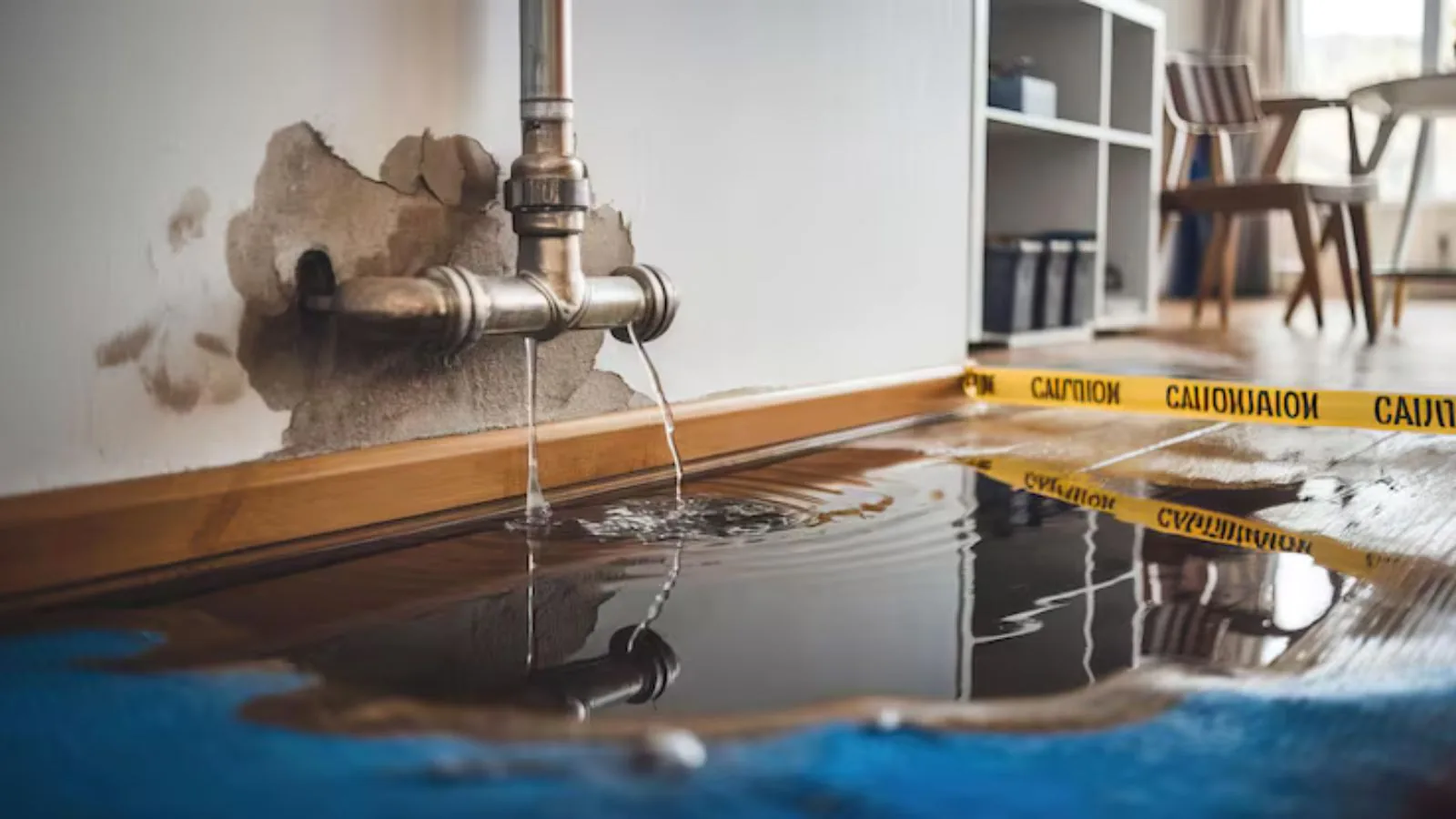
This guide explains what a main valve looks like, where it usually is and what to do if it will not turn.
It is general information, and every house is different.
Where the main valve is usually found
- Near where the water line enters the house, often in a basement, utility room or garage.
- Close to the water meter, if the house has an indoor meter.
- In a crawl space, closet or under a stairwell in houses without basements.
- On an exterior wall or in a utility box in some houses.
Trace the main supply pipe from the meter or from where it comes through the foundation wall. The shutoff is generally the first valve after the meter.
Types of valves
| Type | How it looks | How to close it |
|---|---|---|
| Gate valve | Round wheel handle | Turn clockwise until it stops, which may take several turns |
| Ball valve | Straight lever handle | Turn the lever a quarter turn so it sits across the pipe |
| Curb stop | Underground, near the street, with a cover | Belongs to the water provider, so do not operate it |
Gate valves can seize with age, so test yours gently once a year, since a valve that has not turned in years may not turn in an emergency, and a valve that does not close fully can still leak.
What to do when the water is running
- Close the main valve fully.
- Open a faucet in the basement or on the ground floor to drain pressure from the pipes.
- Stay out of water near outlets or the electrical panel.
- Call the 24/7 line and a plumber, and photograph the damage when it is safe.
If the valve will not turn or the water continues, call your water provider. The restoration crew can start water removal and drying while a plumber repairs the pipe, as described on the burst pipe water damage page.
Water is running and you cannot stop it? Call the 24/7 line now.
Mark it and teach the family
Tag the valve with a bright label, take a photo of it and make sure everyone in the house knows where it is. Keep a flashlight near it. If you have a basement, see whether items stored in front of it can be moved, since blocked valves cost time.
Other shutoffs worth knowing
The main valve stops water to the whole house, but individual fixtures and appliances have their own shutoffs. Toilets have a small valve behind the base, sinks have two under the basin and washing machines have two near the wall. Dishwashers and ice makers have their own supply valves, often under the sink or behind the unit.
Closing one of these is faster when a single fixture fails, and it avoids shutting down the house. Test each one occasionally so that it turns when needed, and replace any that are stuck or corroded.
After you close the valve
- Open a faucet in the basement or on the ground floor to drain residual water.
- Check that the flow has stopped, and look for water still dripping from the damaged area.
- Move belongings and furniture out of wet spots.
- Photograph the damage when it is safe, and call a plumber and the restoration line.
- Do not turn the water back on until the pipe has been repaired.
If you are away often, consider a leak sensor near the water heater, washing machine and under sinks. Some also close a motorized valve automatically, which can limit a loss while nobody is home.
Finding the main valve before you need it
In many homes the main valve is in the basement near the front wall, close to where the water line enters. In others it sits in a utility closet, a crawl space or beside the water meter. Walk the house on a calm day and look for it, then tag it so anyone in the household can find it quickly.
Check whether it is a round handle or a lever. A round handle closes by turning clockwise, and a lever closes when it sits crosswise to the pipe. If the valve is stiff, ask a plumber to service it rather than forcing it.
Show every adult in the house where it is. In an emergency the fastest person to act is the one who already knows.
For reference, professional water damage work follows the ANSI/IICRC S500 standard, and mold work follows S520. Ask any company you consider which standards it works to.
Syosset note: the utility and the street valve
Nearly all of Syosset is served by the Jericho Water District, with a small southeastern section served by the Plainview Water District. The valve at the street, called the curb stop, belongs to the utility, so your interior main is the one to close, and the utility is the one to call if it fails. Your water bill shows which district serves your address.
In neighboring areas the supplier may differ. East Norwich, for example, is served by both the Jericho Water District and the Oyster Bay Water District, as the East Norwich page notes, and Jericho is served by the district named for it.
Questions homeowners ask
Where is the main valve in a house with a basement?
Usually on the wall where the water line enters, near the meter. Trace the pipe from the meter and look for the first valve.
Should I turn off the water when I go on vacation?
Many people do, particularly in winter. It reduces the risk of a burst or leak going unnoticed. Check with your insurer about vacancy conditions.
Can I close the valve at the street?
No. It belongs to the water provider. If you cannot close the interior valve, call the provider.
What if my valve is stuck?
Do not force it with tools that could break it. Call a plumber and the water provider, and start water removal for whatever has already flooded.
Have water damage right now? The line is open 24/7.
Call (833) 521-1033