
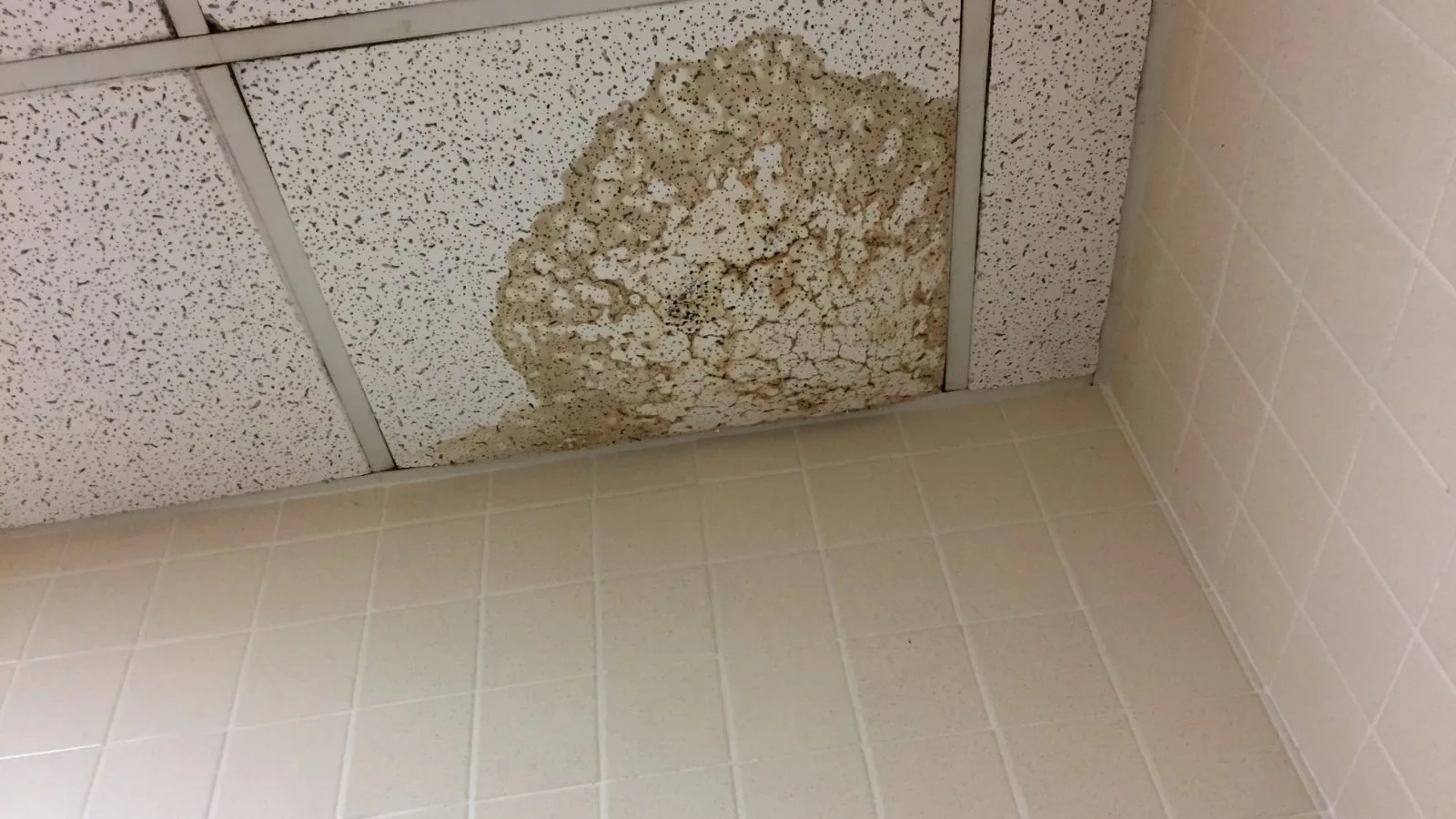
This guide lays out the questions to weigh, without telling you what to do. Your policy and your insurer decide what is covered.
The goal is to help you make the call with eyes open.
Start with the numbers you know
- Your deductible, which is on your policy declarations page.
- A rough scope of the repair, from a restoration crew or a contractor.
- Whether the damage is clearly from a sudden event or from a slow leak.
- Your claims history, since multiple claims can affect renewal.
If the cost of drying and repair is under your deductible, a claim is unlikely to pay anything, though it may still be recorded. If it is above, the claim might help, depending on the cause.
Why the cause matters
A sudden failure such as a hose or pipe burst is the kind many policies address. A slow leak that ran for weeks is often treated as gradual and may be excluded. Small leaks frequently fall in the gray zone, since a drip can be either, and the details of when it began matter.
| Scenario | Often treated as | Think about |
|---|---|---|
| Dishwasher hose burst, caught in an hour | Sudden | Cost versus deductible |
| Slow drip under a sink for weeks | Gradual | Likely excluded, so fix and dry anyway |
| Small ceiling stain from a roof leak | Depends on cause | Roof condition and the cause of the opening |
| Wet carpet from a small washer overflow | Sudden | Cost of drying versus deductible |
Dry it either way
Whether or not you file, dry the area quickly. A small leak left damp becomes a bigger one through rot and mold, and that is both a health-of-the-house problem and a coverage problem, since mold that follows neglect may be excluded. The kitchen water damage restoration and appliance leak water damage pages explain how small leaks hide.
Ask before you file
You can often call your insurer and ask general questions about how a hypothetical claim would be handled, though the insurer may log the call. Ask what the deductible applies to, whether a claim is recorded even if nothing is paid and how it could affect renewal. Written answers are clearer.
Small leak and not sure what is wet? Call and ask for a moisture check so you know the real scope.
What a claim record can mean later
Insurers keep records of claims, and some share loss history through databases that other insurers can see when you apply for coverage. A claim that paid little or nothing can still appear in your record, which is one reason people ask a general question first and decide afterward.
This is also why documenting a small loss is worthwhile even if you do not file. A dated record of a leak and its repair can help if the same issue returns or when you sell the house.
A simple way to decide
- Get a rough scope of the repair and the drying.
- Compare it with your deductible.
- Ask whether the cause looks sudden or gradual under your policy.
- Ask your insurer how a claim would be recorded and how it could affect renewal.
- Decide, and keep the records either way.
If the numbers are close, the answers to the third and fourth questions often settle it. If you still cannot decide, an independent insurance agent or the state consumer resources can talk through your options.
What to keep whether or not you file
- Photographs and video of the damage before cleanup.
- The plumber's invoice and the cause of the leak.
- Receipts for drying, repairs and temporary housing.
- Moisture readings and the drying log from the crew.
- A list of damaged items with approximate values.
Having these on hand keeps the option open. If the loss turns out to be bigger than it first looked, you can file later with a complete record, and your insurer will note when you first reported the problem.
Whatever you decide, do not leave the area wet. A small leak that is dried within a day or two usually stays small, and one that is left alone has a way of growing into the larger claim you hoped to avoid.
For reference, professional water damage work follows the ANSI/IICRC S500 standard, and mold work follows S520. Ask any company you consider which standards it works to.
Syosset note: the details to gather first
The deductible decides whether a small claim can pay anything at all, which is why the numbers matter. Look at your declarations page for the deductible and for any separate deductible for wind or storm.
The New York State Department of Financial Services provides consumer information on homeowner insurance and claims, and it is the right place to check state-level rules. The Jericho and Cold Spring Harbor pages describe nearby areas the same crew serves.
Questions homeowners ask
Is a small leak ever worth a claim?
It can be, if the cost is well above your deductible and the cause was sudden. Get a scope first so you know the real cost.
Does asking my insurer a question count as a claim?
Not necessarily, but practices vary, and insurers may record inquiries. Ask how they handle it.
What if I dry it myself and a problem appears later?
Late-found damage can be harder to claim. Moisture readings and photos from the time of the leak help show what happened.
Do restoration records help even if I do not file?
Yes. They document the cause and the drying, which helps if you later need to explain a repair or sell the house.
Have water damage right now? The line is open 24/7.
Call (833) 521-1033