
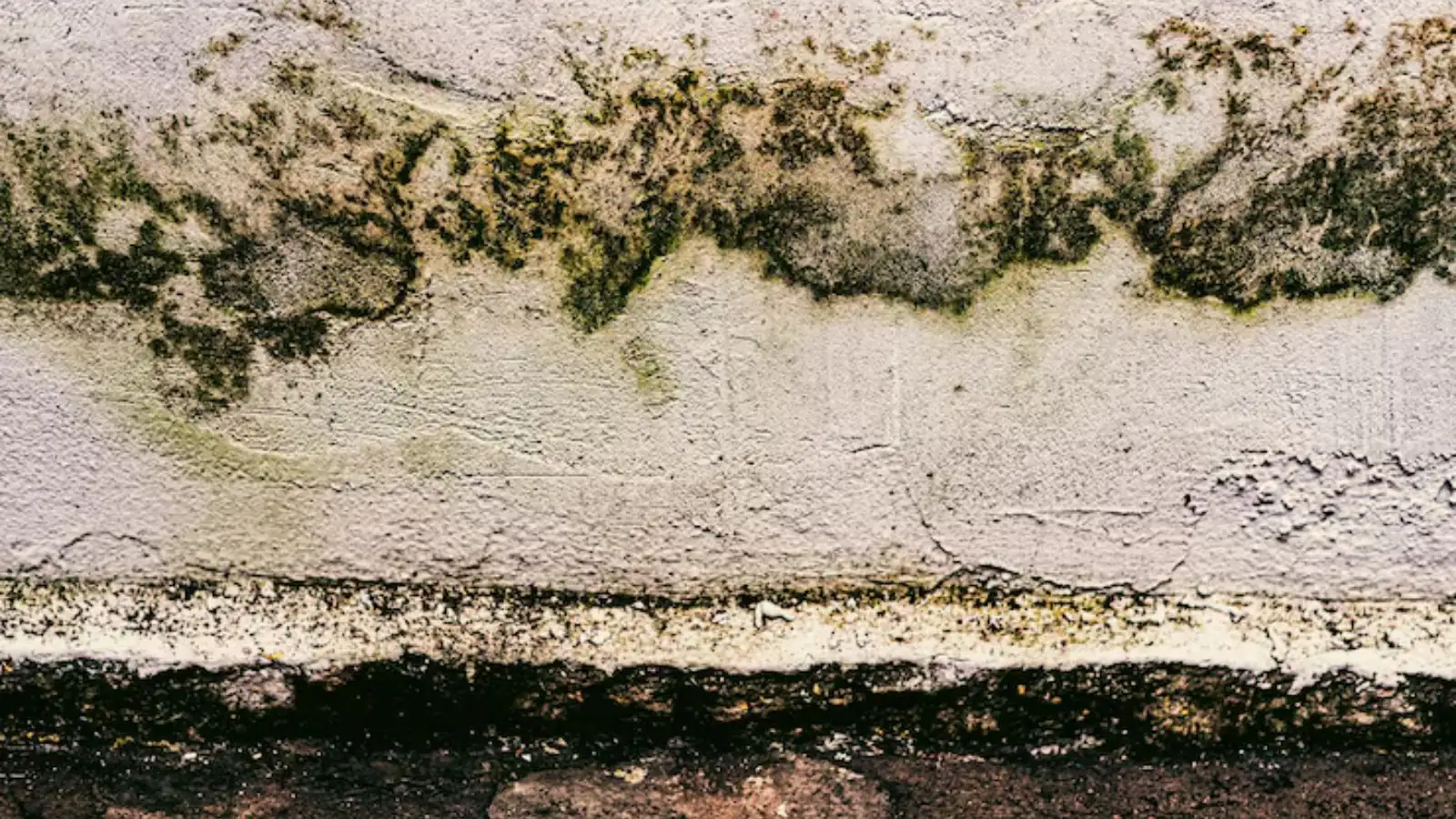
This guide explains the timeline, what speeds or slows growth and how drying interrupts it.
It does not offer health advice, and it cannot promise that mold will or will not develop in a specific case.
What mold needs
Mold needs moisture, food, moderate temperatures and time. A wet building supplies all four: drywall paper, wood and dust are food, indoor temperatures are comfortable and water is present. Remove the moisture and the cycle stops.
A rough timeline
| Time since the water | What may be happening | What to do |
|---|---|---|
| First 24 to 48 hours | Spores begin to settle and germinate on damp surfaces | Remove water and start drying immediately |
| Day 3 to 7 | Visible growth may start on drywall, wood and fabrics | Remove materials that stayed wet, keep drying |
| After a week or more | Established growth, musty smell, spreading | Assess and plan remediation |
| Weeks to months | Heavy growth and material damage | Professional assessment and licensed remediation |
These are general patterns. Warm, humid conditions speed things up, and clean, well-ventilated, quickly dried materials stay clear far more often.
What speeds it up
- Materials that stay wet, such as pad, insulation and the bottom of drywall.
- Humid air and no dehumidification.
- Closed, still spaces such as wall cavities and crawl spaces.
- Contaminated or dirty water, which adds nutrients.
How to interrupt it
- Stop the source and remove standing water at once.
- Remove materials that cannot be dried, such as soaked pad or insulation.
- Dry the structure with air movers and dehumidifiers until readings are normal.
- Keep indoor humidity low, and monitor for a musty smell afterward.
The structural drying and dehumidification page explains the equipment, and water extraction covers the first step. If growth has already appeared, the mold remediation page covers what New York requires.
Water damage in the last few days? Call now. Early drying is strong protection against mold.
Where mold shows up first
Mold usually starts where materials stay wet and air does not move. The bottom of drywall behind furniture, the underside of carpet pad, the inside of a wet wall cavity and the back of cabinets are typical early spots. These are places you do not look at often, which is why a musty smell can be the first sign.
Paper-faced drywall is especially vulnerable because the paper is an easy food source. Wood, ceiling tiles and cardboard follow. Glass, metal and sealed tile are far less hospitable.
What to do if you are past the first few days
- Do not disturb visible growth, since that can spread spores.
- Stop the water if it is still active and dry what you can.
- Close off the area and keep the HVAC from circulating air through it.
- Have the moisture mapped so you know how far it extends.
- If growth is visible, look at New York's licensing rules before hiring anyone.
Being late is not the same as being too late. Most water damage jobs can still be dried and many can be cleaned up, but the scope grows with each day of delay.
Why a drying plan matters more than a guess
The timeline for mold depends on the material, the temperature, the humidity and how long things stayed wet. A common rule of thumb is that growth can start within a couple of days in the right conditions, but that is a general figure and not a promise for your home.
The practical lesson is simple. A structure that is dried quickly and checked with a meter is much less likely to develop growth than one that was left to air out. If the meter says it is dry, the main ingredient for mold is gone.
If you are weeks into a leak, do not panic. Start by stopping the water and getting a moisture map, then decide what comes next.
Write down the dates of the leak, when drying began and when the readings came back normal. A clear timeline is useful for an insurer, and it helps an assessor if mold is ever suspected later.
For reference, professional water damage work follows the ANSI/IICRC S500 standard, and mold work follows S520. Ask any company you consider which standards it works to.
Syosset note: humid summers and lower levels
Long Island summers bring high humidity, which can shorten the window for mold in a wet lower level. In Syosset, a finished basement that took on water in July will need dehumidification running continuously, not just fans.
Winter water, such as from a frozen pipe, may dry more slowly in cold cavities, which is why the frozen pipe water damage page notes watching exterior walls. If you are in Woodbury or East Norwich, the same timelines apply.
Questions homeowners ask
Can mold grow in 24 hours?
Spores can start to germinate within a day or two on damp surfaces. Visible growth usually takes a few days, though it varies.
Does drying a house rule out mold?
No one can promise that. Prompt, complete drying greatly reduces the risk.
How do I know if mold started after a leak?
Look for a musty smell, discoloration or fuzzy spots on walls, baseboards and ceilings. A moisture check can find hidden growth conditions.
Is a few days of delay a problem?
It increases the risk, especially in warm weather, so call as soon as you can.
Have water damage right now? The line is open 24/7.
Call (833) 521-1033