
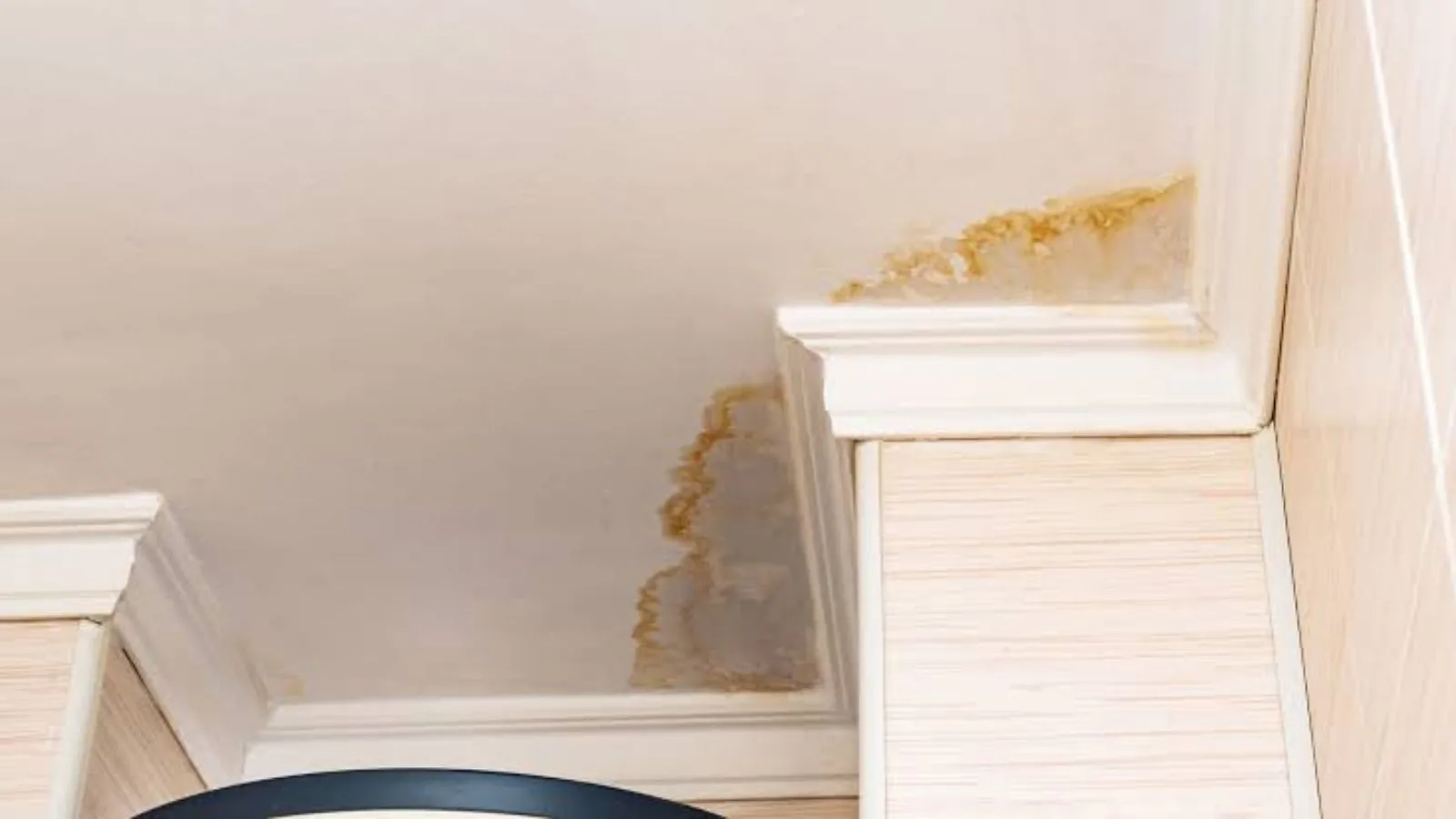
This checklist is for buyers who want to look before they commit. It does not replace a licensed home inspection, and it does not say a house is or is not damaged. It helps you ask better questions.
Go in daylight if you can, bring a flashlight and take photos of anything that looks off.
Start outside
- Look at the ground around the foundation. It should slope away from the house, and downspouts should discharge away from the walls.
- Check the roofline for missing shingles, stained soffits or gutters pulling away.
- Look at the foundation for cracks, efflorescence (a white powdery residue) or staining low on the walls.
- Check window wells and walkout stairs for debris and standing water.
Inside: the lower level first
A basement tells you the most about past water. Look for a tide line on walls or stored items, rust on the bottoms of metal posts and a musty smell. Sniff the air, and check whether a dehumidifier is running or boxes are stacked unusually high off the floor, which can hide a pattern.
Ask where the sump pump is, if there is one, and whether it has a battery backup. A pump that has never been tested is a question to raise.
Upper floors: ceilings, walls and floors
| Sign | What it may mean | Follow-up |
|---|---|---|
| Brown ring stains on a ceiling | Past or active leak above | Ask when it was repaired, use a moisture meter |
| Fresh paint on one patch of ceiling or wall | Possible cover-up of a stain | Ask what was painted and why |
| Cupped, stained or buckled flooring | Moisture below or on the floor | Check the subfloor and the room below |
| Soft spots under the sink or around the toilet | Slow leak | Look in the cabinet and check the shutoff valves |
| Warped baseboards or bubbled paint | Moisture in the wall | Moisture meter or thermal camera |
| Musty smell in a closet or bathroom | Hidden moisture | Inspect fans, vents and walls |
Ask direct questions
- Has the house ever had water damage, a leak or a flood?
- Were any claims made, and what was repaired?
- Who did the repairs, and is there paperwork?
- Has the home had mold, and was it remediated by a licensed professional?
- Is there a seller disclosure form, and what does it say about water?
A clear answer with paperwork is better than a vague one. If something was repaired, ask to see the invoice.
Found something worrying in a house you plan to buy? Call and ask whether a moisture check makes sense.
When to bring in more help
A licensed home inspector is the standard next step, and a moisture meter or thermal camera reading can add information. If an inspector finds signs of moisture, ask for the source to be identified before closing. Mold concerns have their own process, covered on the mold remediation page, and if a lender asks for clearance, that is a separate matter.
If you are buying a house that has already had a leak, the way it was dried matters, and the structural drying and dehumidification page explains what proper drying involves.
Use your nose and your hands
A visit is not only visual. Open closets, cabinets and the door to the water heater room, and breathe in. A musty smell tells you about moisture in a way that no listing photo can. Press gently on baseboards, the floor near the tub and the drywall under windows. Soft spots are worth noting.
Run the taps and flush the toilets, and watch for slow drains. Look under sinks for corrosion, water stains or a damp cabinet floor. Turn on the shower and check the ceiling below it if there is one.
Documents to ask for
- Seller disclosure forms and any notes on water or flooding.
- Permits for plumbing, basement finishing or roof work.
- Repair invoices for any past leaks, with dates.
- Warranty information for the roof and the water heater.
- Utility bills showing normal water use, since a spike can point to a leak.
None of these documents proves a house is sound, but missing records for work that was clearly done are a reason to ask more questions.
What to do first while you decide
- Stop the source of water if it is safe to reach it.
- Stay clear of standing water near electrical equipment.
- Photograph the area before anything is moved or discarded.
For reference, professional water damage work follows the ANSI/IICRC S500 standard, and mold work follows S520. Ask any company you consider which standards it works to.
Syosset note: public records and local context
Syosset is a hamlet in the Town of Oyster Bay, Nassau County, and building permits for repairs go through the town. Asking the seller whether a permit was filed for a basement finish or a plumbing repair is a reasonable question, and the town can tell you what records exist for an address.
Check the FEMA flood map for the specific address, since it is not predicted by town or ZIP code. Nearby buyers in Woodbury and East Norwich face the same kinds of checks.
Questions homeowners ask
Can I check for hidden water damage myself?
You can spot many signs, but hidden moisture inside walls usually needs a moisture meter or thermal camera. A professional inspection is the reliable way.
Is a fresh coat of paint a red flag?
Not by itself, but fresh paint on one ceiling or wall patch is worth asking about, especially if the rest of the room is older.
Should I ask for the seller's insurance claim history?
You can ask, and some insurers can provide a loss history report on a property. It is a reasonable question for any house.
What is efflorescence?
It is a white, powdery residue left when water moves through concrete or masonry and evaporates. It signals moisture, not necessarily active leaking.
Have water damage right now? The line is open 24/7.
Call (833) 521-1033